New Interview: Exploring Smarter Urban Water Monitoring in Copenhagen
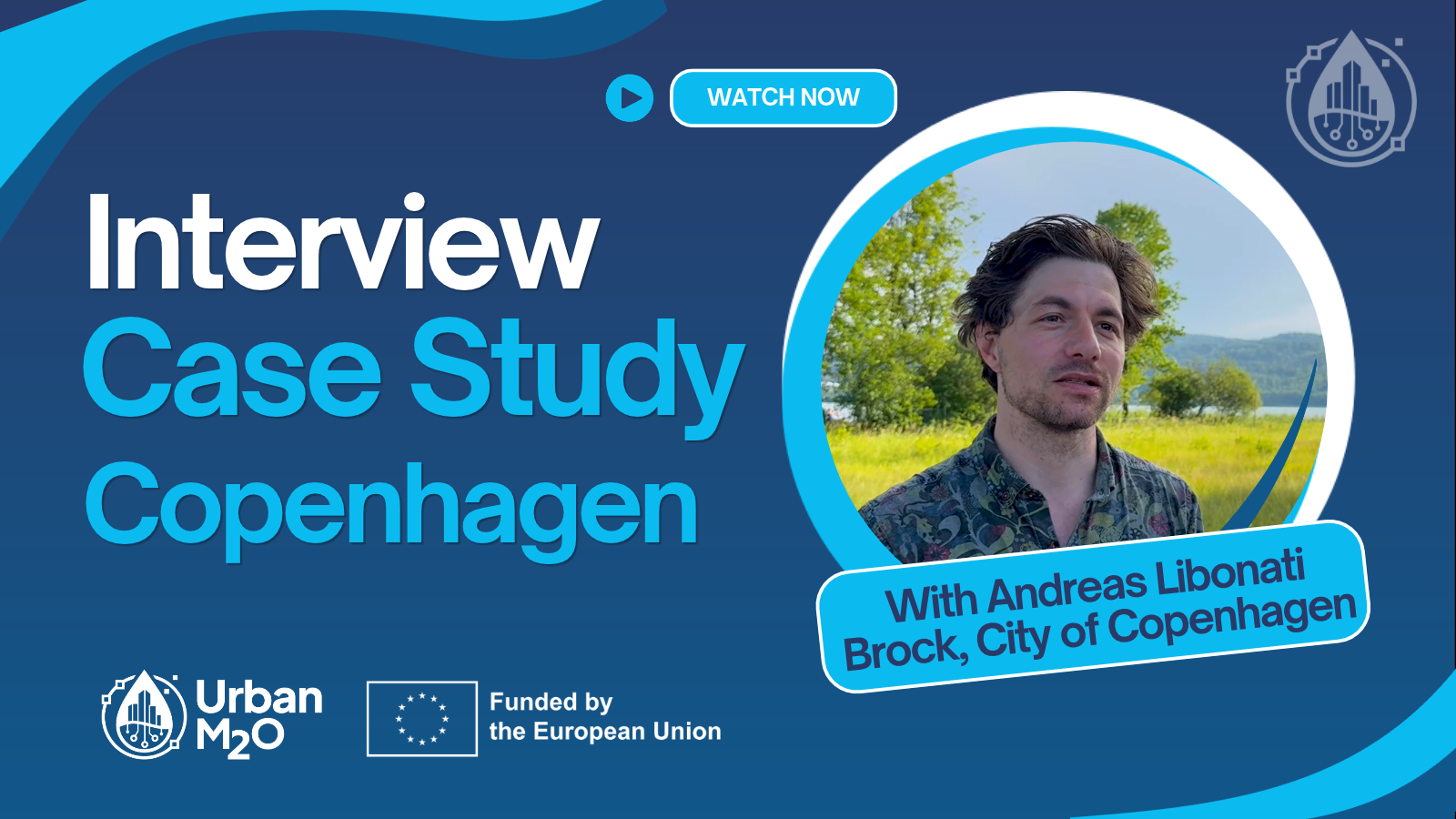
How can cities improve water quality monitoring, enhance data accessibility and strengthen resilience to climate-related challenges? In the latest UrbanM2O interview, Andreas Libonati Brock from the City of Copenhagen, case study leader for the project’s Danish demonstration site, shares insights into Copenhagen’s water management challenges and the innovative approaches being explored within the project.
Addressing Copenhagen’s Urban Water Challenges
As a city facing increasingly intense rainfall events, Copenhagen must address the impacts of combined sewer overflows (CSOs) on its harbour, lakes and other urban water bodies. At the same time, its extensive network of Nature-Based Solutions (NBS), designed to manage stormwater and reduce flooding, requires careful monitoring to assess potential pollution pathways to groundwater.
Within UrbanM2O, the Copenhagen case study focuses on improving bathing water quality assessment, monitoring combined sewer overflows and exploring smarter approaches to environmental data collection and management.
As case study leader, Andreas coordinates local preparations and ensures that the necessary infrastructure and conditions are in place for the project’s scientific activities.
Advancing Monitoring Technologies and Data Accessibility
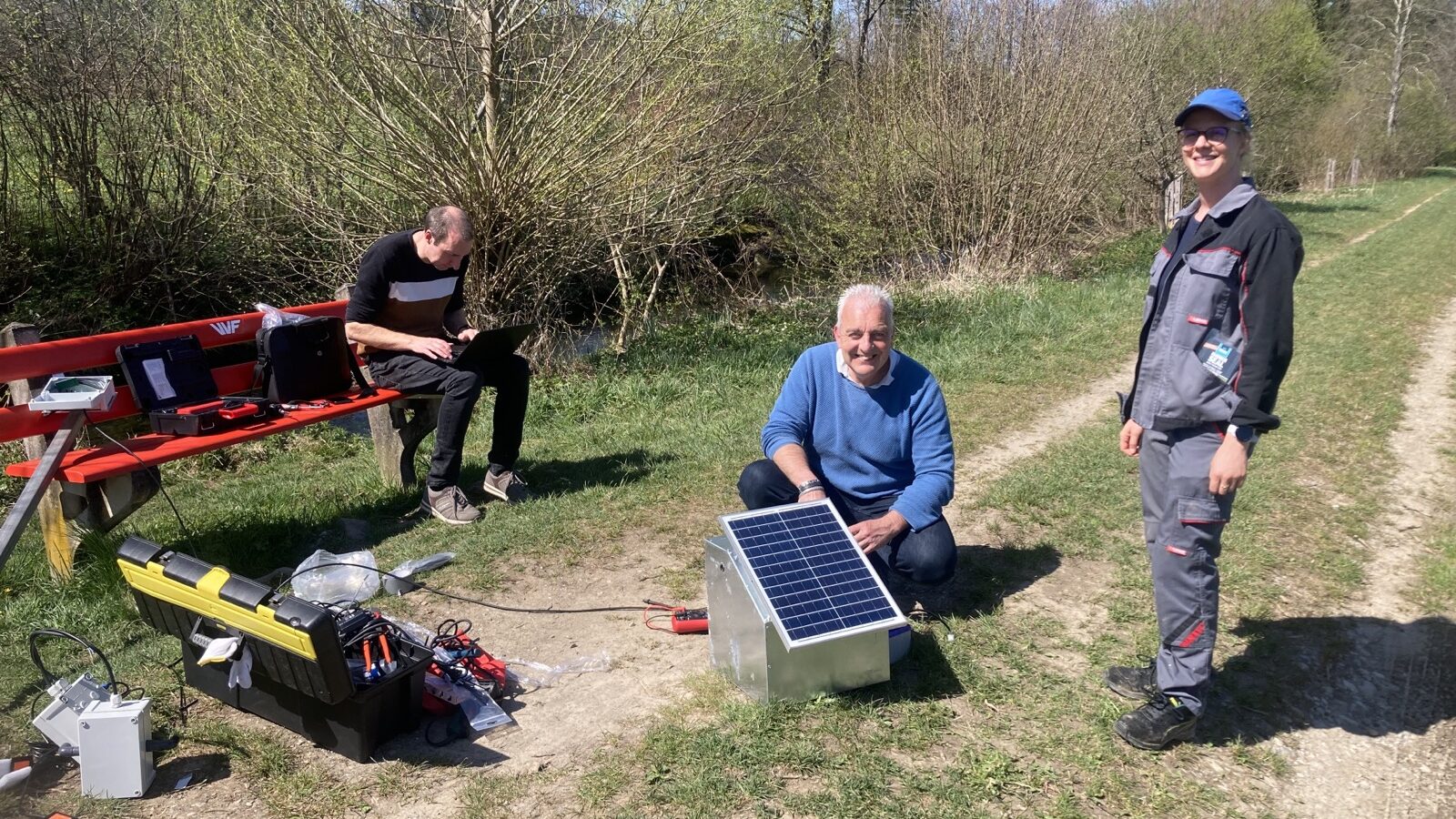
During the interview, Andreas highlights the ongoing preparations for installing an automatic water sampler and multiple sensors at one of the city’s monitoring locations.
These activities will contribute to the project’s broader objectives of integrating real-time water quality information into Copenhagen’s existing harbour warning system, evaluating the pollutant removal performance of Nature-Based Solutions and investigating interactions between urban drainage systems and groundwater.
Another important ambition is to improve how monitoring data is collected, processed and shared, from field sampling and laboratory analysis to its use by municipalities, consultants and citizens.
Sharing Knowledge for More Resilient European Cities
Beyond Copenhagen, the case study offers valuable lessons for other European cities seeking to modernise their water monitoring systems.
As Andreas explains, significant amounts of environmental monitoring data are already being collected, but accessing and sharing this information remains a major challenge.
Improving data accessibility and interoperability could help cities avoid unnecessary duplication of monitoring efforts, reduce costs and support more informed water management decisions.
Through its Copenhagen case study, UrbanM2O aims to demonstrate how innovative monitoring technologies, integrated data management and digital tools can contribute to healthier urban water environments and more climate-resilient cities.
Watch the full interview here.