First Urban M2O Sensor Installed in Switzerland

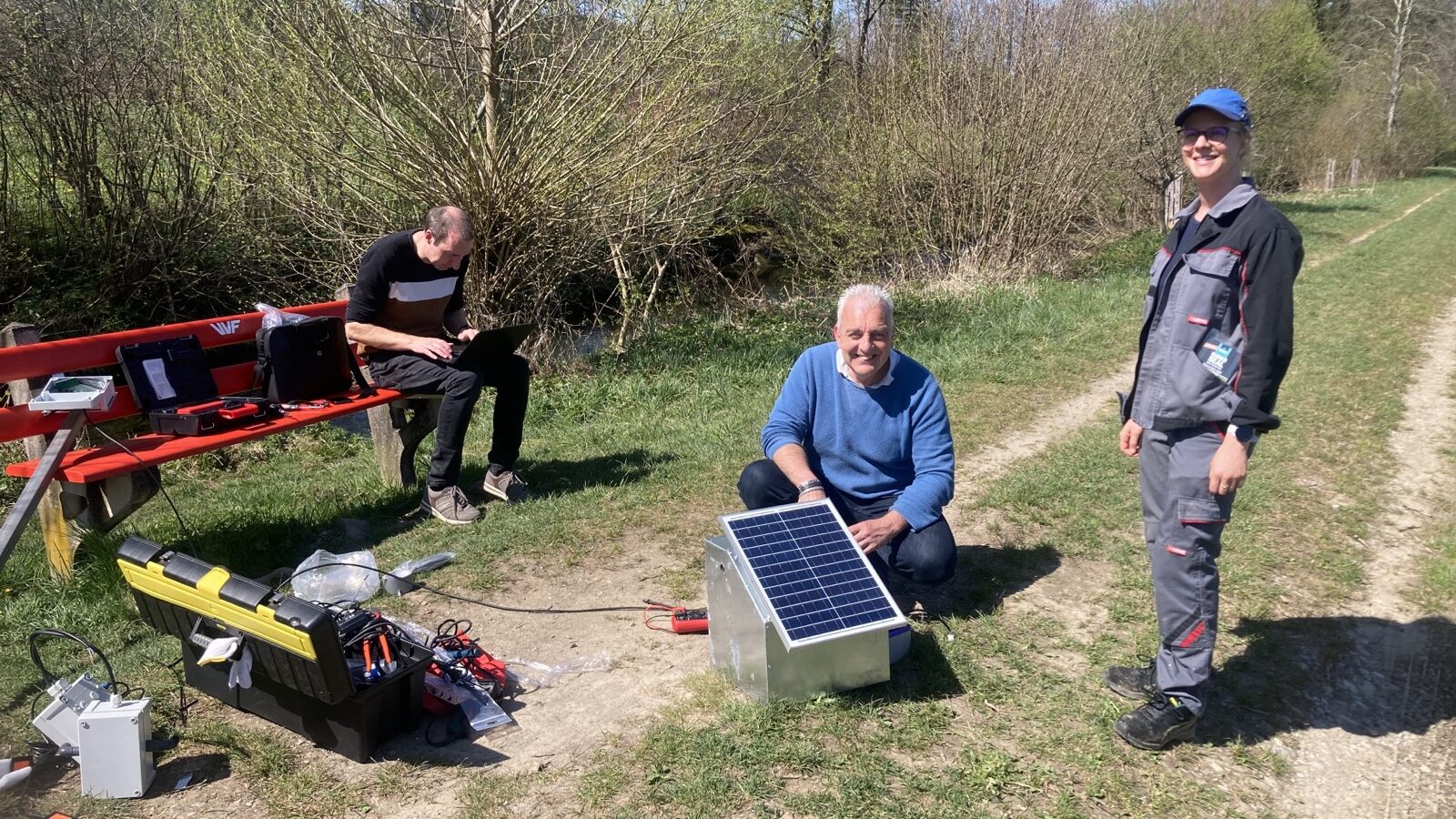
The Urban M2O project has officially reached a milestone its mission to protect aquatic ecosystems with the successful completion of its first sensor assembly. The project engineers and researchers successfully installed the first two PKM (Pollutant Key Measurement) systems in Switzerland, marking the beginning of a high-resolution monitoring phase designed to quantify the environmental impact of combined sewer overflows.
Combined sewer overflows (CSOs) are widely recognized as a primary entry path for pollutants into natural water bodies, often representing the most significant deficit in modern water protection strategies. To address this, the Urban M2O project has established a comprehensive measuring point in Fehraltorf, utilizing an interdisciplinary array of innovative technologies. The installation includes MS2Field sensors for detecting trace substances, automated water samplers, and photometric sensors. A key component of the setup is the ToxMate system provided by Viewpoint, which allows for the continuous observation of toxicological effects through the real-time movement of indicator organisms.
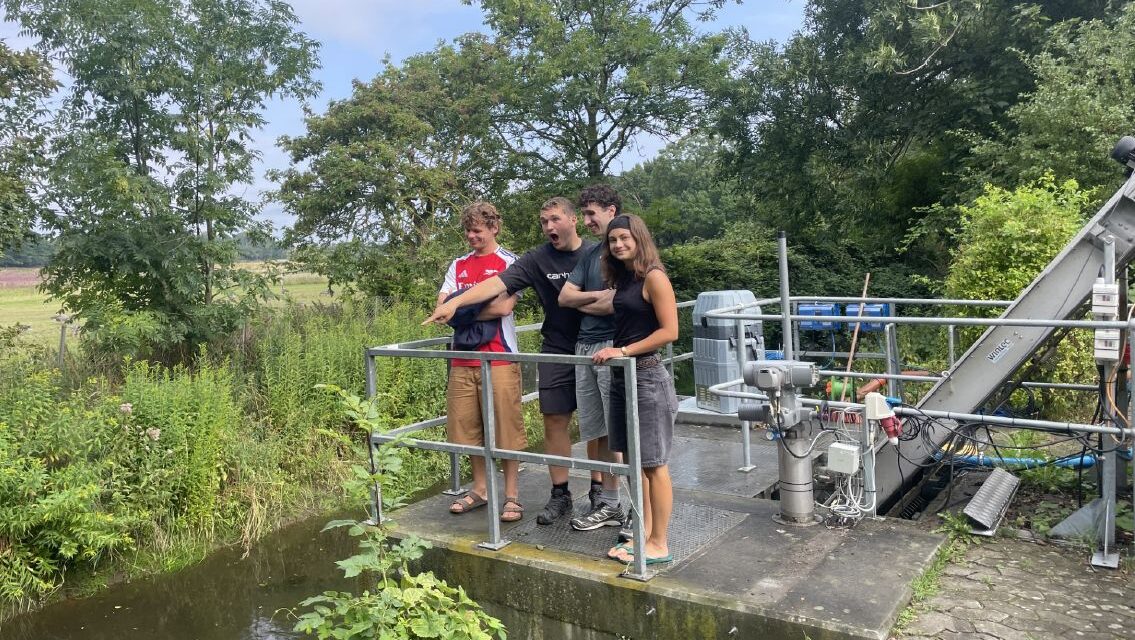
Central to the project’s success is the integration of data between the source of the overflow and the receiving environment. By installing a PKM sensor directly at the combined sewer overflow, the team from NIVUS GmbH aims to establish a precise correlation between the discharge events and the resulting water quality in the river. This data-driven approach will enable water managers to better understand the relationship between urban drainage and ecological health, ultimately making it easier to estimate and mitigate relevant pollutant entry paths.
The successful deployment was made possible through the intensive cooperation of multiple project partners, including the Swiss Federal Institute of Aquatic Science and Technology (Eawag). The local support provided by specialists such as Isolde Wackernagel and Sascha Schaufelberger was instrumental in navigating the technical challenges of the ground-level installation.